|
|
|

|
|
|||||||
|
|

|

|
|
|||||||
|
|
|
|||||||||
|
|

|
|
||||||||
|
|

|
|

|
|
|
|||||

|
|
|||||||||
|
|
|
|||||||||
|
|
|
|||||||||
|
|
|
|
|
|
|
|
|
|
|
|

"Asthe sun was setting,
we came upon a place where wildflowers bloomed in moundsof pink and lavender and blue, like soft pillows."
Jean Van Leeuwengs from, "Going West"
 Prairie gardens
require no c
overing, no pruning, no spraying, no irrigating and little, if any,fertilizing saving prairie gardeners loads of dosh and hours of hardwork.
Prairie gardens
require no c
overing, no pruning, no spraying, no irrigating and little, if any,fertilizing saving prairie gardeners loads of dosh and hours of hardwork.
By the third year,there is little for the prairie gardener to do but open a cold one, sit inthe middle and enjoy it!
Prairie style landscapes and gardens
taketheir inspiration from the great North American grasslands and from the Russianand Chinese steppes Prairies are divided into three typesdry, mesic(moderately moist) and wet. Mesic and dry prairie plants prefer loose soil withgood drainage. Wet species grow in poorly drained areas, where water standsafter a heavy rain. Using a wide range of prairie species can help disguiseproblem areas, such as a boggy hollow or gravel hill.
Transplants are more costly than seed
, persquare meter covered, however there is probably less labour involved to achieve anestablished prairie style garden Plants offer many advantages over seeds: Mostwill flower the first year they are transplanted ,seeds on the other hand mayrequire two to three years or more to bloom. Plants are easy to place on thesite prior to planting according to your plan or design to create the desiredeffect. Weeds are easily recognised from the garden transplants, whereas slowergrowing seedlings can be difficult to distinguish from the weeds in a seededprairie.
However, prairiegardens remain a great choice for smaller, more informal areas. providing veryquick and sometimes astonishing results.
Grasses are probably the most highlydeveloped and most widely distributed of all plants.

Many grasses are undeniably elegant and graceful addingstructure and form to a garden. In the breeze they bring movement and sound .

Grasses are the most undemanding of plants they require little care except a brush up and trim once in awhile.









|
|
|
|
Drifts of Miscanthussinensis 'Morning Light' sprinkled with a totally random mixture of redPoppies and Michealmas daisies glorious through the late summer. The herbaceousstems and seed heads erect amongst the bleached winter grasses give interest,form, shape,and subdued colour, not to mention the sound and movement theybring to the garden right through the winter until early spring.
MiscanthusMorning light. aka. Eulalia grass.
Stipatenuissima. aka. Oat grass.
Deschampsia.aka. Hair grass
Deschampsia.aka. Hair grass 'Northern lights'
Corynephorus canescens.
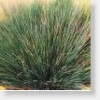
Festuca amethystina.
|
Easy to grow lowmaintenance prairie grasses and plants are among natures most spectacularcreations, producing drifts of waist-high fronds stippled with blooms ofbrilliant yellow, flaming crimson and soft lavender. Because of their extensivesophisticated root systems, prairie plants and grasses can be the answer tothose problem spots in the garden, particularly where the soil is shallow pooror dry. Once established, they require little attention. Grasses offer anamazing and diverse range shape colour and seed head to choose from recommendedvarieties are Miscanthus sinensis 'Morning Light, Miscanthus sinensis''Zebrinus', Molinia caerula 'Karl Foerster', Stipa gigantea and Stipatenuissima Prairie grasses andplants need little except for full sunlight, prairie grasses and plants adaptto most conditions and can be grow in a diversity of soil, from clay to sand,and are tolerant a wide range of soil fertility and acidity. Prairie plantsalso grow in dry shallow soils or marshy soils that most plants cannottolerate. When planning your Prairie Garden take time to consider a few pointsbefore ordering plants. look at the GrassesPage and read the description and decide which plants ,
Sketch out roughlythe garden shape and fill in the different areas on the sketch with differentautumn colours and add splashes or dots of vibrant herbaceous colours andconsider whether you will,
Although the prospectof a low maintenance trouble free prairie garden is attractive the biggestchallenge of prairie gardening you will face, if you are growing from seed, iscontrolling weeds during the first two or three years. Prairie plants spend thefirst years of their life developing their complex and evolved roots systemwhile common ground weeds put all their energy into producing into above groundgrowth, crowding out young prairie seedlings and denying them the light theymost need. That's why we. recommended you use plant good strong pot or nurserygrown plants from the P&G as quicker less labour intensive solution. Irrespective ofwhether you intend to use seeds or plants the area to be planted must becompletely free of weeds and grasses. Heavy clay soils should be cultivated ordug to a depth of 30 cm (12 inches) to break up layers of compacted soil.Organic matter such as compost, peat moss, well rotted manure or leafmold andsharp sand can be worked into poorer clay soils to improve aeration and waterinfiltration. Very dry sandy soils in particular will be improved by theaddition of organic matter to increase their nutrient and water holdingproperties. Mowing and rakingevery spring also helps control weeds and promote growth. You should mow inlate June with the mower blade set about 200 mm (8 inches high). The growingtips of grasses is just above the ground and they grow from the bottom upunlike other garden plants that have their growing tip at the top. This willcut back early growing annual weeds, but not affect slower-growing prairiegrass and plants. Prairie gardensrequire no covering, no pruning, no spraying, no irrigating and little, if any,fertilizing saving prairie gardeners loads of dosh and hours of hardwork. By the third year,there is little for the prairie gardener to do but open a cold one, sit inthe middle and enjoy it! |
|
|
|
|
|
|
 Grasses in PrairieStyle Planting and the 'New European' style.



Join our mail list
 andkeep abreast of what's new and what's looking good at the P&G
